
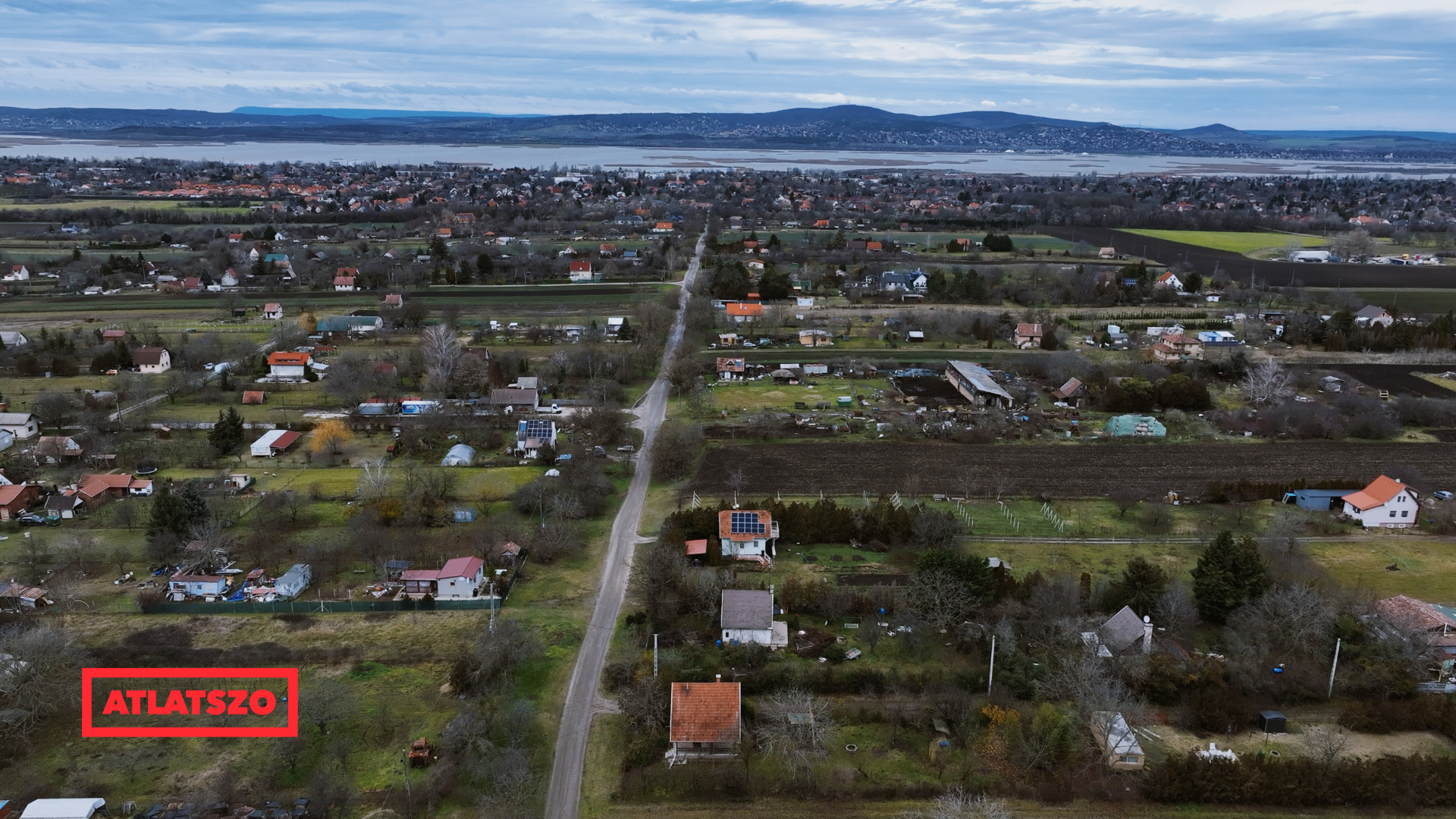
A Gárdonyi Olajszennyezés Ügyének Bírósági Döntése
Recent judicial findings have addressed a significant environmental issue in Gárdony, Hungary, where locals and Greenpeace legally contested the actions of MOL, a major oil and gas company. The court ruled that the government office had previously approved hazardous contamination levels proposed by MOL without a thorough examination, compelling the agency to establish new cleanup target values.
The original determinations suggested that the area could remain grossly contaminated, with benzene concentrations potentially 87 times over the permissible limit and other polycyclic aromatic hydrocarbons (PAHs) at 59 times the maximum allowed levels. This situation, deemed unacceptable by the affected community and environmental groups, called for immediate remediation efforts.
Specifically, the lawsuit initiated by twelve citizens and Greenpeace aimed to ensure that MOL would effectively remediate the contaminated locations following an unprecedented oil leak in 2024, which resulted in the dispersal of 500 cubic meters of oil. The recent court ruling invalidated the previous government office’s decision regarding the cleanup target values, citing failure in properly assessing the pollution based on MOL’s documentation.
Legal representatives emphasized that the agency’s acceptance of MOL’s proposal lacked justification and did not consider the actual contamination levels or the implications for the residents living nearby. The court highlighted the oversight of Gárdony’s municipality in this process, indicating that the local governance was uninvolved in critical discussions about cleanup strategies.
Dr. Kiss Csaba, attorney for the community and Greenpeace, elaborated on the court’s findings, asserting that the government neglected to require substantial remediation efforts by MOL. Furthermore, the definitions of cleanup criteria seemed to favor MOL’s interests while disregarding the environmental and health standards required for local inhabitants.
The ramifications of this ruling are profound. Residents of Gárdony now face living with dangerously elevated pollution levels, raising significant public health concerns. Notably, the appointed threshold values are significantly more lenient than what would be anticipated in responsible environmental management practices.
This case illustrates the tension between corporate practices and public accountability, underscoring the need for stringent oversight of environmental damages and effective remediation standards to protect communities from industrial negligence.
As this situation evolves, it remains crucial for the affected residents and environmental advocates to maintain pressure for a thorough and effective cleanup that prioritizes public health and environmental integrity.

